
The Ultimate Guide to Business Development in Construction
Business development in construction is one of the most misunderstood parts of running a company. Most contractors rely on bids, referrals, or luck instead of building a consistent pipeline.
This guide breaks down how to actually generate, qualify, and win more construction projects without overcomplicating the process.
What Is Business Development in Construction
Business development in construction is simple, but not easy.
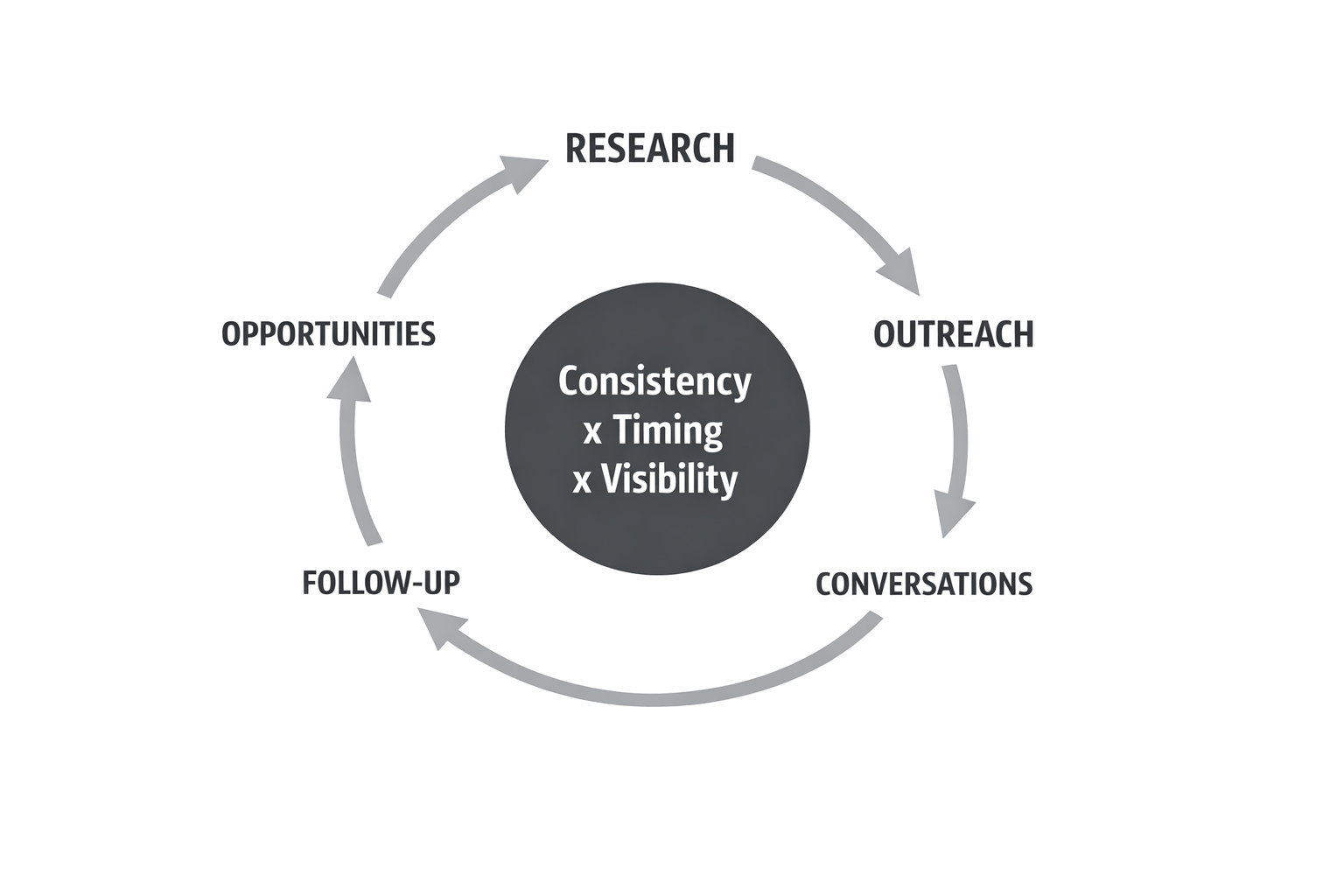
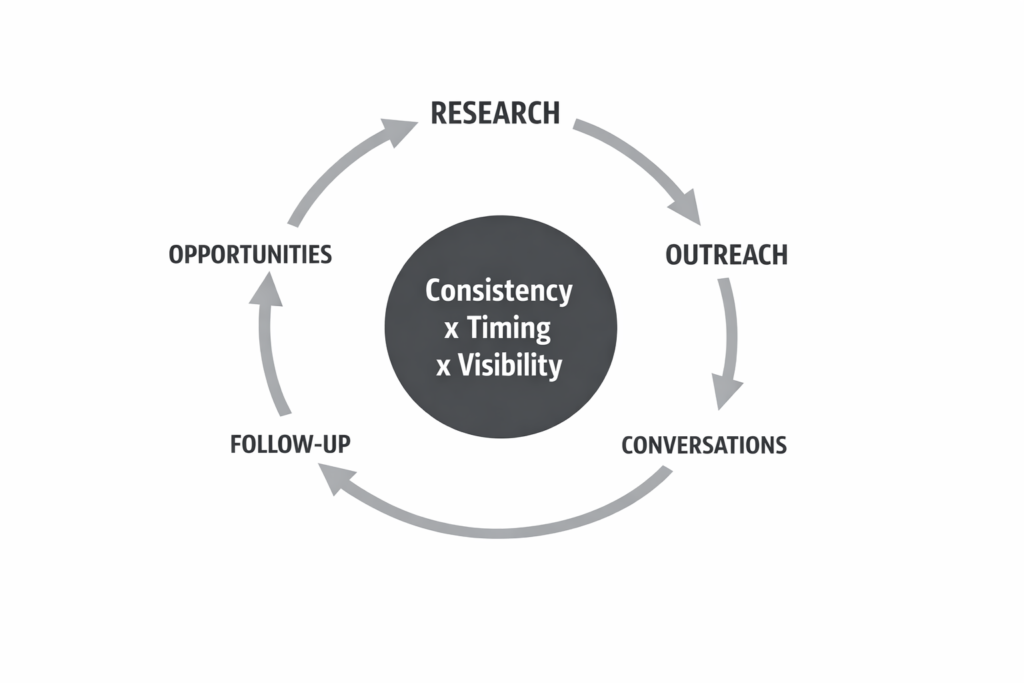
You are not trying to convince someone to buy. You are trying to be in the right place, with the right relationship, at the right time.
That comes down to three things:
– being known
– being trusted
– staying in touch
Projects move through planning, budgeting, and internal conversations long before anything is sent out. If you are only showing up at the end, you are late.
The job is to be around early and often enough that when something opens up, you are already part of the conversation.
That means consistent outreach, real conversations, and long term follow up.
You do not need to be the best talker. You need to be the one who stays in the mix.
Where Construction Projects Actually Come From
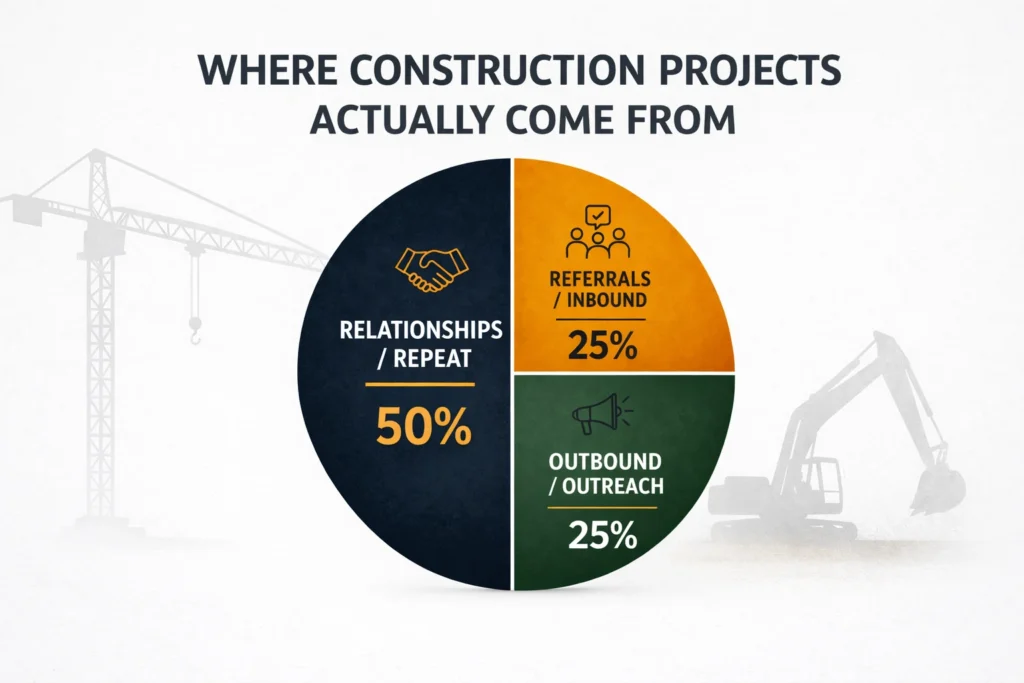
Most work comes from people who already know you or have heard of you.
That usually looks like:
1. a past client calling you again
2. someone referring you internally
3. a contact reaching out when a project comes up
4. being included early because you stayed in touch
The practical takeaway is straightforward.
Spend less time chasing random opportunities and more time building relationships with people who regularly produce the type of work you want.
That means identifying a focused list of companies, learning who runs projects there, and staying in front of them consistently.
When you do this right, you start getting pulled into opportunities instead of chasing them, and your conversations happen earlier when you can actually influence the job.
You are not trying to talk to everyone. You are trying to be relevant to the right group of people over time.
How to Research Construction Companies for Business Development
If your outreach feels generic, it is because your research was.
Before you call or email anyone, you should know:
– what the company actually does
– what type of projects they work on
– whether they have done anything recently
– who likely touches construction decisions
Start with the company. Look at their website, their project types, and any recent activity.
Acquisitions, expansions, or repositioning work are strong signals that projects are coming.
See if there is any news or blogs related to them
Then find the people.
Who to Target Inside Construction Companies
Project managers
Construction managers
Asset managers
Property managers
Directors of construction or capital projects
Procurement
Director of Facilities
Etc.
These roles are usually closest to the work and decision-making.
How to Use Research in Outreach
Instead of asking if they have projects, reference something specific.
“I saw you recently acquired X property, are you planning any renovations there?”
That turns a cold message into a relevant conversation.
The standard is simple.
If your message could be sent to 20 other companies with no changes, you did not do enough research.
How to Build a Target List That Actually Produces Work
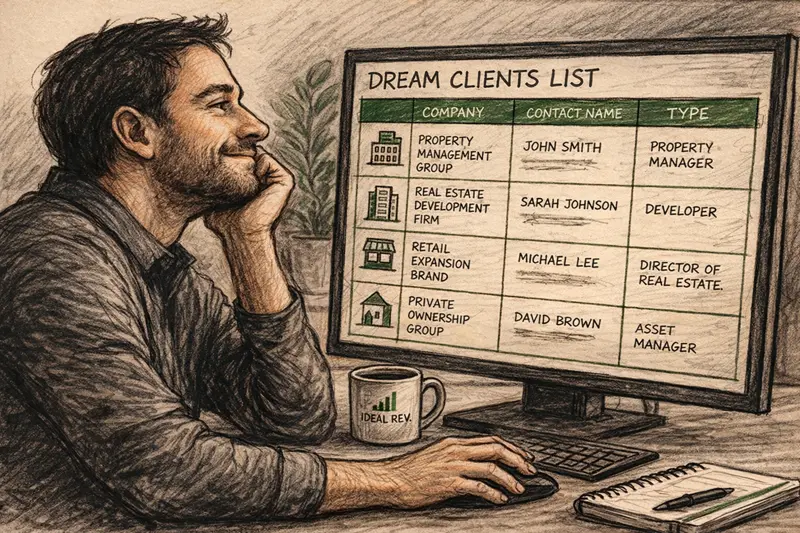
Most contractors do not have a pipeline problem. They have a targeting problem.
They are talking to whoever they can find instead of the people who consistently produce the kind of work they want.
Start by defining:
– project type
– project size
– geography
Then build a list of 50 to 100 companies that fit.
How to Segment Your Target List
Active opportunities – companies with likely projects in the next 3 to 6 months
Future opportunities – good fit companies where timing is unclear
This helps you prioritize your time and stay focused.
You do not need more leads. You need the right ones.
How to Find the Right Contact in Construction Companies
You are rarely going to land on the exact right person on the first try.
Start with likely roles:
– project managers
– construction managers
– directors of construction or capex
– asset or property managers
If you reach the wrong person, use it.
Outreach That Actually Gets Responses
Most outreach fails because it feels like outreach.
Too formal, too long, too focused on yourself.
Principles for Better Outreach
- Keep it simple. Do not over explain what you do
- Make it about them. Focus on their projects, process, and timing
- Use context. Reference something real about their company
- Do not force the meeting, start the conversation first
- Match the industry, short, clear, direct communication works best
- You do not need a perfect script. You need to sound like someone worth talking to.
How to Write Cold Emails That Actually Get Responses
Most cold emails fail because they try to do too much.
A good cold email shows you are not random, makes it about them, and gives a simple reason to respond.
Simple Cold Email Structure
Quick context
“I saw you are active in [market or project type]”
Simple positioning
“We are a GC focused on [type of work]”
Light ask
“Wanted to see if you have anything coming up we could take a look at”
What Improves Response Rates
- Mention something real
- Keep it short
- Do not attach decks early
- Make it easy to reply
How to Cold Call in Construction Without Sounding Like a Salesperson
Cold calling works when you approach it the right way.
You are not calling to pitch. You are calling to understand and open a loop.
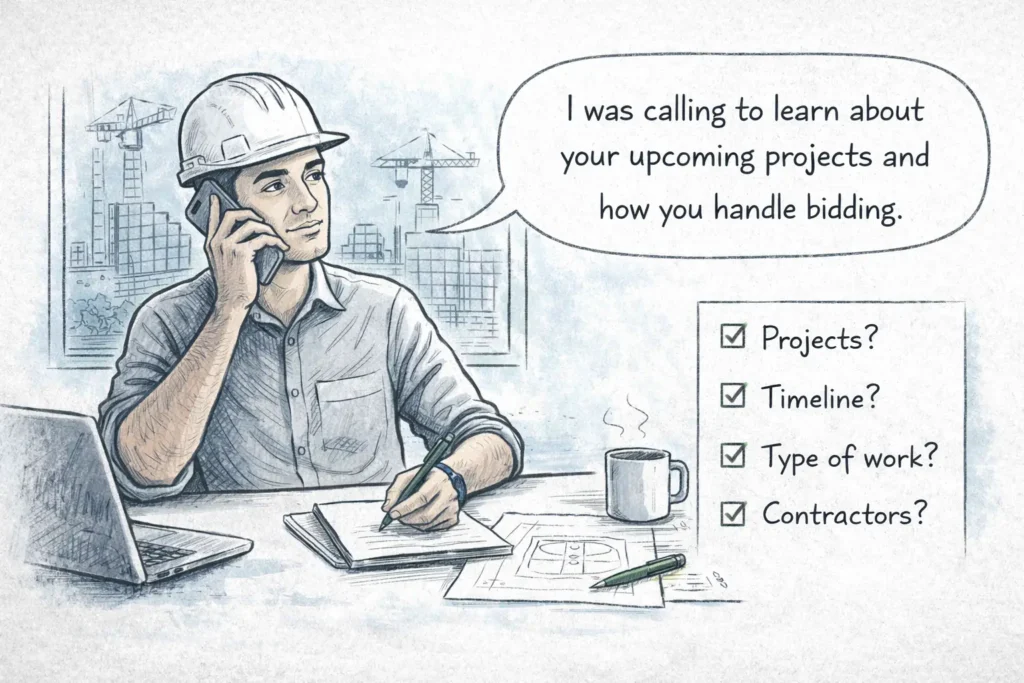
Cold Call Structure
Hey, it is [Name] with [Company]. I was calling to learn about your upcoming projects and how you handle bidding.
Then ask:
what do you have coming up?
what is the timeline?
what kind of work is it?
how do you select contractors?
etc.
If They Have No Projects
Ask when they typically plan projects and ask to stay in touch.
If They Already Have a Contractor
Ask if they ever bring in additional bidders or backup options.
The goal is not to close. It is to learn and create a reason to follow up.
The Follow Up System That Wins Projects
Most deals are won in the follow up.
Not the first call. Not the first email.
Over time.
What Follow Up Actually Looks Like
Call
Email
Call
Text
Email
Then repeat over time.
How Often to Follow Up
After the first conversation, send a follow up shortly after.
Check back in a couple weeks later.
Then stay in touch every few weeks or months depending on timing. For example if they mentioned having projects coming up, obviously follow up sooner. If they said to follow back up in 6 months, wait a little bit before your next touch point.(And btw don’t actually wait the full 6 months.)
No solid contact should go quiet for more than a couple months.
You are not forcing timing. You are staying visible until timing shows up.
How to Qualify Construction Opportunities
Not every project is worth pursuing.
What to Qualify Early
- Timing
- Scope
- Fit
- Process
Questions to Ask
When are you planning to start?
When do bids go out?
What is the scope?
How do you select contractors?
How to Win Construction Projects Before the Bid
If your first involvement is submitting a number, you are late.
The advantage comes from being involved earlier.
How to Add Value Before the Bid
1. Ask better questions – identify scope gaps and understand priorities
2. Flag issues early – Show you are paying attention
3. Offer value engineering – Provide specific, practical ideas
4. Make their job easier – Clear communication and organization
The goal is to help think through the project, not just price it.
Communication That Actually Closes Deals
Deals are often won or lost based on communication.
What Good Communication Looks Like
Be responsive – Acknowledge quickly and follow through
Be clear – What is included, excluded, and next steps
Match communication style – short calls, emails, and texts move things forward
Follow through – Do what you say you will do
Make decisions easy – Clear proposals and next steps
People want to work with contractors who are easy to work with.
Building a Simple Business Development System
Most contractors do not need more strategy. They need consistency.
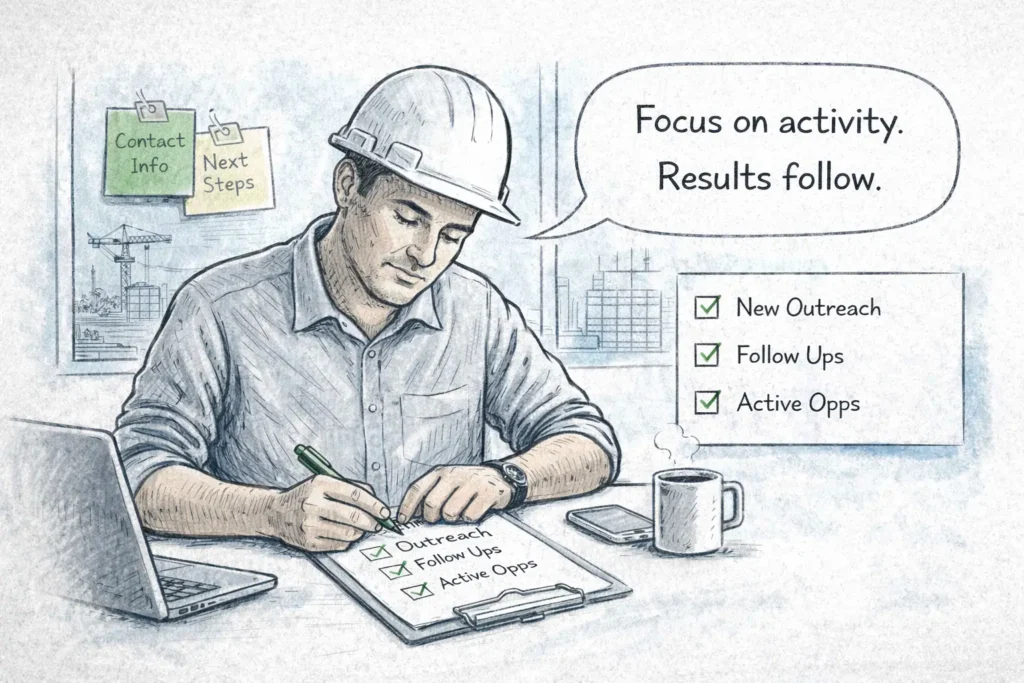
Weekly BD Structure
- New outreach
- Follow ups
- Active opportunities
What to Track
- List of target companies + contacts
- Contact info
- Notes / next steps
- Who you contacted
- When you last spoke
It does not need to be complicated. It needs to be consistent.
Focus on activity. Results follow.
The Long Game in Construction Business Development
This is a long cycle business.
There will be stretches where nothing closes and the pipeline feels slow.
That is normal.
Projects take time to plan, approve, and fund.
What Actually Matters Long Term
Stay consistent
Keep reaching out and following up
Stay disciplined
Do not take bad projects out of desperation
Think long term
Relationships compound over time
The companies that grow are the ones that stay in the game long enough for it to compound.